Hurricane Season Car Protection in Tampa Bay: What Drivers Need Now
Hurricane prep car protection in Tampa: what every driver should know
If you live in Tampa Bay, hurricane prep is not a once-a-year checklist you dust off in June and forget by July. Where you park and what coverage you carry are decisions that can cost you thousands of dollars if you get them wrong. Saltwater flooding, flying debris, fallen trees, and post-storm gridlock turn ordinary parking choices into expensive mistakes. A little planning, combined with the right auto coverage, goes a long way toward keeping you and your vehicle out of the worst outcomes.
Why Tampa Bay vehicles face unique hurricane risks
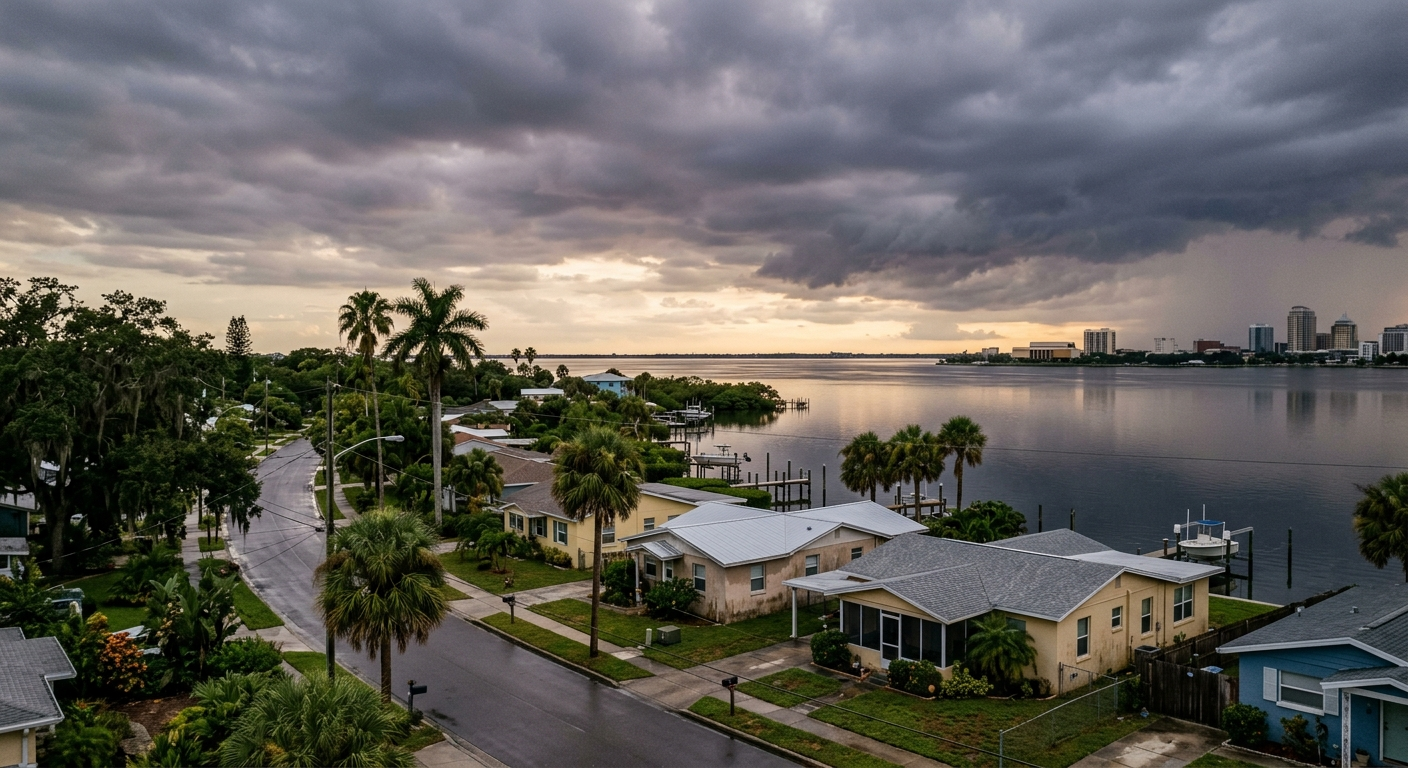
Tampa Bay sits at the top of a wide, shallow bay and is one of the most storm-surge-vulnerable metropolitan areas in the country. A major hurricane making landfall nearby can push 6 to 15 feet of saltwater inland, turning low-lying roads, parking garages, and driveways into temporary lakes. That saltwater does not just damage paint. It corrodes electrical systems, seizes brakes, and destroys engine internals. A vehicle that looks intact after a flood event can fail months later because corrosion worked its way into wiring harnesses and sensors.
Then there is the wind. Even a Category 1 storm can produce gusts well above 100 mph across the Tampa Bay region. Those gusts lift debris, tear down tree limbs, and send roofing materials airborne. Carports offer minimal protection, and standard residential garages built before 2002 may not meet current Florida Building Code wind-load standards. If your garage door fails in high winds, your car is exposed.
Neighborhoods across Hillsborough and Pinellas counties, from South Tampa to St. Petersburg, sit in flood zones that see regular street flooding even from tropical storms that never reach major hurricane status. Knowing your exact flood zone before a storm arrives is not optional. It is the foundation of every other decision you make about where to move your car.
Physical steps to protect your car before a hurricane hits
Insurance is the financial backstop. Physical preparation is what reduces the odds you will need it.
Move the car to higher ground early
The single most effective step is moving your vehicle before storm surge and flooding arrive. Evacuation orders and surge maps are public and updated regularly by Hillsborough and Pinellas counties. If you are in a Zone A or Zone B evacuation area, your car should leave with you, or be relocated to a parking structure on higher ground at least 48 to 72 hours before landfall. Once a storm is named and tracking toward the Gulf Coast, fuel lines grow long fast. Keep your tank at or above half-full from June through November.
Choose your parking spot carefully
Multi-story concrete parking garages offer the best combination of wind protection and flood avoidance, provided you park on a floor above the expected surge line. Avoid the ground floor of any garage during a surge event. If you are staying home, pull the car as far into your garage as possible and confirm the garage door is either hurricane-rated or reinforced. A standard garage door is often the first thing to fail in high winds, and once it goes, the structure is vulnerable.
Document your vehicle before the storm
Walk around your car and record a short video of every panel, the interior, the dashboard, and the odometer reading. Upload that video to a cloud account or email it to yourself so you have it even if your phone is damaged. Claims adjusters rely on pre-storm documentation to confirm a vehicle's condition before damage occurred. Without it, disputes about pre-existing damage can delay your settlement.
Remove valuables and personal items
Electronics, aftermarket audio equipment, and items stored in your trunk can complicate a total-loss claim. Remove what you can before the storm arrives. Items stolen from a damaged vehicle after a storm typically fall under your homeowners or renters policy, not your auto policy. Knowing that in advance avoids confusion later.
What auto insurance actually covers during a hurricane
This is where many Tampa Bay drivers run into surprises. Florida requires all registered vehicles to carry Personal Injury Protection (PIP) and Property Damage Liability , but neither covers damage to your own vehicle from a storm. Wind damage, flood damage, falling trees, and flying debris are all covered under comprehensive coverage , which is optional in Florida unless your vehicle is financed or leased.
If you own your vehicle outright and dropped comprehensive to save money, you are carrying all of the storm-damage risk yourself. Replacing a vehicle flood-damaged by storm surge is entirely out of pocket in that situation. Given that the average new vehicle in Florida costs well above $40,000 , that is a meaningful gamble.
For financed vehicles, your lender requires comprehensive, so you are likely already covered. But the deductible matters. A $1,000 comprehensive deductible means the first $1,000 of any storm-related repair comes from your pocket. Some carriers offer deductibles as low as $250 or $500. Check yours now, not after a storm.
Flood damage and comprehensive: a common misunderstanding
Water from storm surge that enters your vehicle is covered under comprehensive. The distinction insurers make is the source of the water. Rising water from a hurricane is a covered peril under comprehensive. If you drove into a flooded road and the engine hydrolocked, that is still a comprehensive claim in most cases. However, if there is evidence you drove into a known flood zone despite warnings, adjusters may push back. The practical point: do not drive through flooded roads. It is dangerous, and it can complicate your claim.
What comprehensive does not cover
Comprehensive does not cover personal belongings inside the vehicle. It does not cover rental car costs unless you have rental reimbursement coverage added to your policy. And it does not cover a replacement vehicle while yours is being repaired unless you carry that endorsement specifically. These are small add-ons that cost very little but make the aftermath of a storm far more manageable.
Rental reimbursement and gap coverage after a storm
If a hurricane totals your vehicle, the claims process takes time. Parts are delayed, adjusters are overwhelmed, and repair shops across Tampa Bay back up for weeks after a major storm. Rental reimbursement coverage typically pays a daily amount, often between $30 and $50 per day , toward a rental while your car is being repaired or while you wait for a settlement. That coverage can run out before the process is complete, so know your limit.
If your vehicle is totaled and you still owe more on the loan than the car is worth, you may face a gap between the insurance payout and your remaining loan balance. That is exactly what gap insurance covers. It is worth a conversation if you bought a vehicle in the last few years and are still in the early part of your loan term, when depreciation has outpaced your paydown.
Filing a hurricane car claim in Florida: what to expect
After a storm, the claims process in Florida can move slowly. Following a major hurricane, carriers receive thousands of auto claims simultaneously and adjusters are stretched thin. A few steps help move your claim forward.
- Call your carrier as soon as it is safe. Do not wait days or weeks to report storm damage. Late reporting can complicate your claim.
- Photograph everything immediately. Before you move the vehicle or attempt any cleanup, photograph all damage from multiple angles in good light.
- Note the water line. If your vehicle was flooded, the waterline on the interior tells the adjuster how deep the water got. Do not clean it before documentation.
- Do not start a flood-damaged engine. Water in the cylinders can destroy an engine the moment it turns over. Even if the car looks like it might start, have a mechanic inspect it first.
- Keep all receipts. Towing, storage, and inspection costs can be reimbursed under your policy depending on your coverage.
For a closer look at the overall hurricane claims process, the post on filing an insurance claim after a hurricane walks through the steps in detail.
Review your policy before the next storm, not after
The time to discover you dropped comprehensive two years ago is not when you are watching storm surge creep toward your neighborhood. Florida's hurricane season runs from June 1 through November 30, with peak activity between August and October. Most storms give you 3 to 5 days of advance notice before landfall. That is not enough time to add coverage. In most cases, carriers will not allow you to add comprehensive once a named storm is in the Gulf. The coverage change has to happen while a storm is still a distant weather system.
A policy review in May or early June, before the season peaks, is the right move. Look at your comprehensive deductible, your rental reimbursement limit, whether you have roadside assistance coverage (useful after a storm when roads are debris-strewn), and whether your coverage aligns with what your vehicle is worth today given current used-car values.
It is also a good time to confirm the rest of your household coverage is in order. If you are a homeowner, check whether your policy includes wind and hurricane coverage, since Florida's market has complicated that question for many families. The post on whether Florida homeowners insurance covers hurricane damage is a useful place to start.
Get your auto coverage reviewed before hurricane season peaks
At Tampa Bay Insurance , we are an independent agency, which means we work with multiple carriers to find coverage that fits your situation, not just the policy that is easiest to sell. We help drivers across Tampa Bay, Clearwater, St. Petersburg, and the surrounding communities review their auto coverage before hurricane season puts the pressure on.
If you are not sure whether your vehicle is covered for storm damage, or if you want to compare options on comprehensive coverage and deductibles, we are here to help. Call us at (727) 372-5559 or get a quote online and one of our agents will walk through your current policy and any gaps worth addressing before the next storm develops in the Gulf.
Get A Quote
At Tampa Bay Insurance, securing your future is easy. Ready to protect what matters? Contact us for a quick quote and personalized insurance options!
Kelly
Speak to Kelly 24/7
Microphone ready
Start your custom insurance quote
Instant answers to your insurance questions
Schedule appointments or follow-ups
Personal Insurance
From auto and homeowners to renters and umbrella policies, we help protect your family and property. Let’s find coverage that fits your life.
Commercial Insurance
We customize policies for your industry's risks, like general liability and workers' comp, ensuring you can run your business worry-free.
Contact Tampa Bay Insurance
Recent Posts